

- Teacher: SABBAGH ZINEB
Module Description: Logiciels Libres et Open Sources (Free and Open Source Software)
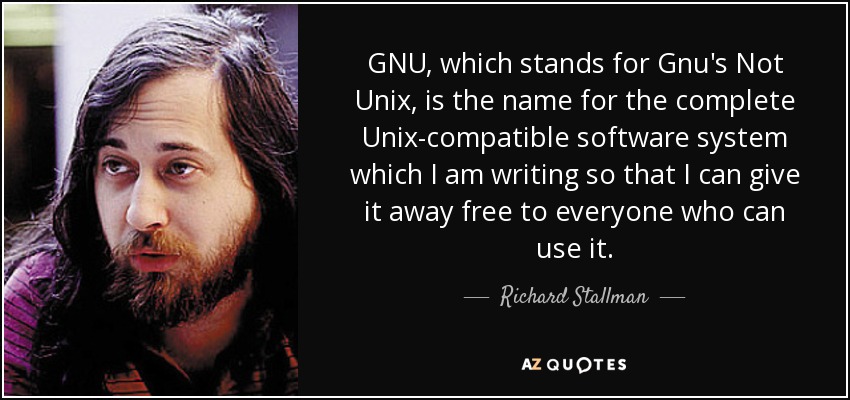
This module introduces students to the fundamental concepts, principles, and practices of Free and Open Source Software (FOSS). It explores the historical development of the free software movement and the open-source initiative, as well as the philosophical, legal, and technical foundations that support collaborative software development.
Students will learn the differences between proprietary software and open-source software, understand the role of software licenses, and become familiar with commonly used FOSS licenses such as the GNU General Public License (GPL), MIT License, and Apache License. The course also examines the advantages and challenges of using open-source solutions in academic, professional, and industrial environments.
Additionally, the module introduces students to widely used open-source tools and platforms and encourages them to explore how collaborative communities contribute to software development and knowledge sharing.
By the end of the module, students will be able to:
-
Understand the core principles of Free Software and Open Source Software.
-
Identify the differences between various software licensing models.
-
Recognize the role of open-source communities in software innovation.
-
Use and explore common open-source tools and platforms.
-
Appreciate the importance of openness, collaboration, and knowledge sharing in modern computing.
- Teacher: KATEB Yousra
- Teacher: Remli Samia
- Teacher: Djanette BLIZAK MERIEM
- Teacher: semghouni hassina
- Teacher: saoudi leila
- Teacher: DIBENE Karima